Integrated Cupping Therapy in Bangalore for Pain Relief & Physical Wellness
- icaworldseo
- Jan 27
- 9 min read

In the bustling city of Bangalore, where stress and physical strain are common due to fast-paced lifestyles, many individuals seek effective, natural solutions for pain relief and overall wellness. One such ancient yet highly effective therapy gaining popularity is cupping therapy service in Bangalore. Rooted in traditional Chinese and Middle Eastern medicine, cupping therapy involves placing cups on the skin to create suction, which helps in improving blood circulation, reducing muscle tension, and promoting healing. This blog explores the benefits, process, and availability of cupping therapy in Bangalore, along with insights into professional courses for those interested in mastering this therapeutic technique.
Understanding Cupping Therapy: Origins and Mechanisms
Cupping therapy is an ancient healing practice that dates back thousands of years, with origins in traditional Chinese, Egyptian, and Middle Eastern medicine. The therapy involves placing cups—typically made of glass, bamboo, or silicone—on specific points of the body to create a vacuum. This suction effect draws the skin and underlying tissues upward, increasing blood flow, loosening tight muscles, and stimulating the body's natural healing processes. The therapy is often used to alleviate pain, reduce inflammation, and promote relaxation.
The mechanism behind cupping therapy is deeply rooted in the principles of traditional medicine. According to traditional Chinese medicine (TCM), cupping helps to balance the flow of Qi (vital energy) in the body. When Qi is blocked or stagnant, it can lead to pain, illness, or discomfort. By creating suction, cupping therapy helps to release these blockages, allowing Qi to flow freely and restoring balance to the body. Modern research suggests that cupping therapy may also stimulate the lymphatic system, enhance circulation, and reduce muscle tension by breaking up adhesions and scar tissue.
The Health Benefits of Cupping Therapy
Cupping therapy offers a wide range of health benefits, making it a versatile treatment for various physical and mental health conditions. Whether you're dealing with chronic pain, stress, or recovery from an injury, cupping therapy can provide significant relief. Below are some of the key benefits of this ancient healing practice:
Pain Relief: Cupping therapy is highly effective in relieving muscle and joint pain, including back pain, neck pain, and shoulder tension. The suction created by the cups helps to release tight muscles and improve blood flow to the affected areas.
Reduced Inflammation: By enhancing circulation, cupping therapy helps to reduce inflammation in the body, which is beneficial for conditions like arthritis and sports injuries.
Stress and Anxiety Reduction: The therapy promotes relaxation by stimulating the parasympathetic nervous system, which helps to lower stress levels and improve mental well-being.
Detoxification: Cupping therapy aids in the removal of toxins from the body by improving lymphatic drainage and circulation.
Improved Digestion: The therapy can also help with digestive issues by stimulating the digestive organs and improving metabolic function.
Enhanced Athletic Performance: Athletes often use cupping therapy to speed up recovery, reduce muscle soreness, and improve flexibility.
These benefits make cupping therapy a valuable addition to any wellness routine, particularly for those seeking natural and non-invasive treatments. Whether you're looking to address a specific health concern or simply improve your overall well-being, cupping therapy treatment in Bangalore offers a holistic approach to healing.
What to Expect During a Cupping Therapy Session
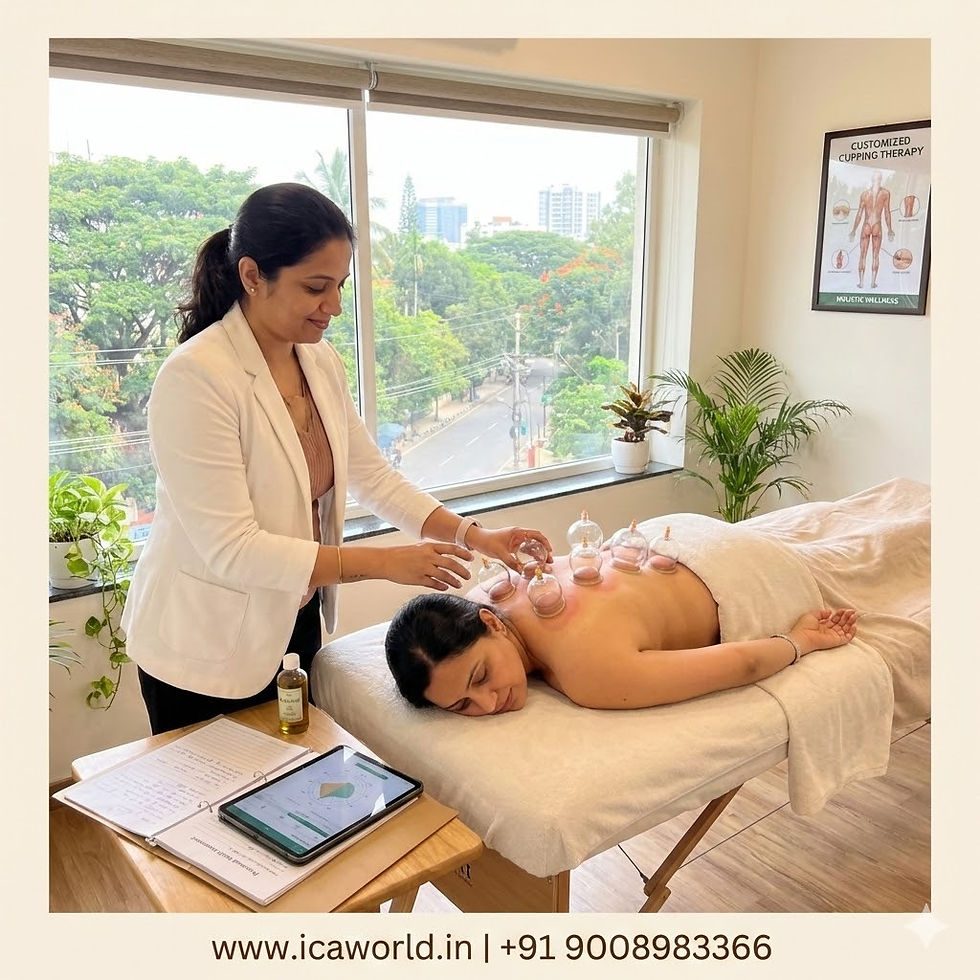
If you're new to cupping therapy, understanding what happens during a session can help ease any apprehensions. A typical cupping therapy session begins with a consultation where the therapist assesses your health concerns and determines the best approach for your treatment. The therapist will then clean the areas of the body where the cups will be placed, often applying a small amount of oil to help the cups glide smoothly over the skin.
The cups are usually placed on specific acupuncture points or areas of tension. Depending on the type of cupping being used—dry cupping, wet cupping, or fire cupping—the therapist will create suction either by heating the cups or using a manual pump. The cups are left in place for about 5 to 15 minutes, during which you may feel a pulling sensation as the skin is drawn upward. Some therapists may also move the cups in a gliding motion to cover a larger area, a technique known as sliding cupping.
After the session, it's common to see circular marks on the skin where the cups were placed. These marks are not bruises but rather indications of increased blood flow and toxin release. They typically fade within a few days. Many people report feeling deeply relaxed and relieved of pain immediately after the session. For optimal results, multiple sessions may be recommended, depending on your specific health goals.
Conditions Treated with Cupping Therapy
Cupping therapy is a versatile treatment that can address a wide range of physical and mental health conditions. Its ability to improve circulation, reduce inflammation, and promote relaxation makes it an effective therapy for various ailments. Below are some of the most common conditions treated with cupping therapy:
Chronic Pain: Conditions such as back pain, neck pain, and sciatica can be effectively managed with regular cupping sessions.
Muscle Tension and Stiffness: Cupping helps to loosen tight muscles, making it ideal for individuals with stiffness due to poor posture or prolonged sitting.
Sports Injuries: Athletes often use cupping therapy to recover from injuries, reduce muscle soreness, and improve performance.
Respiratory Issues: Cupping can help alleviate symptoms of asthma, bronchitis, and congestion by improving lung function and circulation.
Stress and Anxiety: The therapy's relaxing effects make it beneficial for individuals dealing with stress, anxiety, or insomnia.
Digestive Disorders: Cupping can stimulate digestion and relieve symptoms of bloating, constipation, and irritable bowel syndrome (IBS).
Skin Conditions: Some skin issues, such as acne and eczema, may improve with cupping due to its detoxifying effects.
Given its broad range of applications, cupping therapy is an excellent complementary treatment for many health concerns. Whether you're dealing with a specific condition or simply looking to enhance your overall wellness, cupping therapy treatment in Bangalore offers a natural and effective solution.
Cupping Therapy Cost and Accessibility in Bangalore
One of the most common questions about cupping therapy is regarding its cost. The cupping therapy cost in Bangalore can vary depending on several factors, including the type of cupping used, the duration of the session, and the expertise of the therapist. On average, a single session can range from INR 1,000 to INR 3,000. Many wellness centers offer package deals for multiple sessions, which can be more cost-effective for those seeking long-term treatment.
Accessibility is another key consideration. Bangalore is home to numerous wellness centers and clinics that offer best cupping therapy in Bangalore. These centers are equipped with experienced therapists who tailor the treatment to individual needs. Additionally, many centers integrate cupping therapy with other holistic treatments such as acupuncture, massage, and Ayurveda therapy in Bangalore, providing a comprehensive approach to wellness.
For those interested in learning cupping therapy professionally, Bangalore also offers specialized courses. The cupping therapy course in Bangalore provides in-depth training on the techniques, benefits, and applications of cupping therapy, making it an excellent option for aspiring therapists.
Professional Cupping Therapy Courses in Bangalore
For individuals passionate about holistic healing and looking to build a career in alternative medicine, enrolling in a cupping therapy course can be a rewarding step. These courses are designed to provide comprehensive training in the theory and practice of cupping therapy, equipping students with the skills needed to become certified cupping therapists.
A typical cupping therapy course in Bangalore covers a range of topics, including the history and principles of cupping therapy, different cupping techniques, safety protocols, and hands-on practice. Students learn how to assess clients' needs, apply various cupping methods, and integrate cupping with other therapies such as acupuncture and massage. The course also includes practical sessions where students can practice their skills under the guidance of experienced instructors.
Upon completion of the course, students receive a certification that enables them to practice cupping therapy professionally. This certification is recognized by wellness centers and clinics, making it easier for graduates to find employment or start their own practice. For those interested in expanding their knowledge further, additional courses such as the acupuncture course can provide a broader understanding of holistic healing techniques.
Integrating Cupping Therapy with Other Holistic Treatments
Cupping therapy is often used in conjunction with other holistic treatments to enhance its effectiveness. One of the most common combinations is cupping therapy with acupuncture. Both therapies are rooted in traditional Chinese medicine and work by stimulating specific points on the body to improve energy flow and promote healing. When used together, they can provide more comprehensive relief for conditions such as chronic pain, stress, and digestive disorders.
Another popular integration is cupping therapy with Ayurveda. Ayurveda therapy in Bangalore focuses on balancing the body's doshas (energies) through diet, herbs, and treatments such as massage and detoxification. Combining cupping therapy with Ayurvedic treatments can enhance detoxification, improve circulation, and promote overall wellness. For example, cupping can be used alongside Ayurvedic massage to release muscle tension and improve the absorption of herbal oils.
Additionally, cupping therapy can be integrated with modern physiotherapy techniques to aid in injury recovery and rehabilitation. The increased blood flow and muscle relaxation provided by cupping can complement physiotherapy exercises, helping patients recover faster and with less discomfort. This integrated approach is particularly beneficial for athletes and individuals recovering from surgeries or injuries.
Safety and Precautions in Cupping Therapy
While cupping therapy is generally safe and well-tolerated, it's important to be aware of certain precautions to ensure a positive experience. First and foremost, it's crucial to seek treatment from a qualified and experienced therapist. Improperly applied cupping can lead to bruising, skin irritation, or discomfort. Reputable centers offering cup therapy in Bangalore employ certified therapists who follow strict safety protocols.
Individuals with certain health conditions should consult their healthcare provider before undergoing cupping therapy. These conditions include:
Blood Disorders: People with bleeding disorders or those taking blood-thinning medications should avoid cupping therapy.
Skin Conditions: Individuals with open wounds, burns, or severe skin conditions such as eczema or psoriasis should avoid cupping on affected areas.
Pregnancy: Pregnant women should consult their doctor before undergoing cupping therapy, as certain areas of the body should be avoided.
Heart Conditions: Those with heart disease or high blood pressure should seek medical advice before trying cupping therapy.
After a cupping session, it's important to stay hydrated to help flush out toxins released during the treatment. Avoiding strenuous exercise and exposure to extreme temperatures immediately after the session can also help prevent discomfort. Most people experience mild soreness or skin discoloration, which typically resolves within a few days.
Transform your passion for healing into a rewarding career with ICA World—connect with us today on call or WhatsApp at +91 9008983366
Frequently Asked Questions
Is cupping therapy painful?
Cupping therapy is generally not painful, though some individuals may experience a mild pulling or stretching sensation during the session. The intensity of the suction can be adjusted based on your comfort level. After the session, you may feel slight soreness or see circular marks on the skin, but these are temporary and not typically painful.
How many cupping therapy sessions are needed to see results?
The number of sessions required depends on the individual's health condition and goals. Some people experience relief after just one session, while others may need multiple sessions for chronic or severe conditions. A typical treatment plan may involve 4 to 6 sessions spaced a week apart, with maintenance sessions as needed.
What is the cost of cupping therapy in Bangalore?
The cupping therapy cost in Bangalore varies depending on the type of cupping, session duration, and the therapist's expertise. On average, a single session ranges from INR 1,000 to INR 3,000. Many wellness centers offer package deals for multiple sessions, which can be more economical.
Can cupping therapy be combined with other treatments?
Yes, cupping therapy is often integrated with other holistic treatments such as acupuncture, Ayurveda, and massage therapy. Combining cupping with these therapies can enhance its benefits, providing a more comprehensive approach to healing and wellness.
Who should avoid cupping therapy?
Individuals with certain health conditions, such as blood disorders, severe skin conditions, pregnancy, or heart disease, should consult their healthcare provider before undergoing cupping therapy. It's important to seek treatment from a qualified therapist to ensure safety.
What are the different types of cupping therapy?
There are several types of cupping therapy, including dry cupping, wet cupping, fire cupping, and sliding cupping. Dry cupping involves creating suction without any incisions, while wet cupping involves small, controlled incisions to draw out a small amount of blood. Fire cupping uses heat to create suction, and sliding cupping involves moving the cups over oiled skin.
How long do the marks from cupping therapy last?
The circular marks left by cupping therapy are not bruises but rather indications of increased blood flow and toxin release. These marks typically fade within 3 to 7 days, depending on the individual's skin type and the intensity of the suction.
Is cupping therapy suitable for athletes?
Yes, cupping therapy is highly beneficial for athletes. It helps to reduce muscle soreness, improve flexibility, and speed up recovery from injuries. Many professional athletes use cupping therapy as part of their training and recovery regimen.
What qualifications are needed to become a cupping therapist?
To become a certified cupping therapist, you need to complete a professional cupping therapy course that covers the theory and practical application of cupping techniques. Certification programs typically include hands-on training and assessments to ensure competence.


Comments